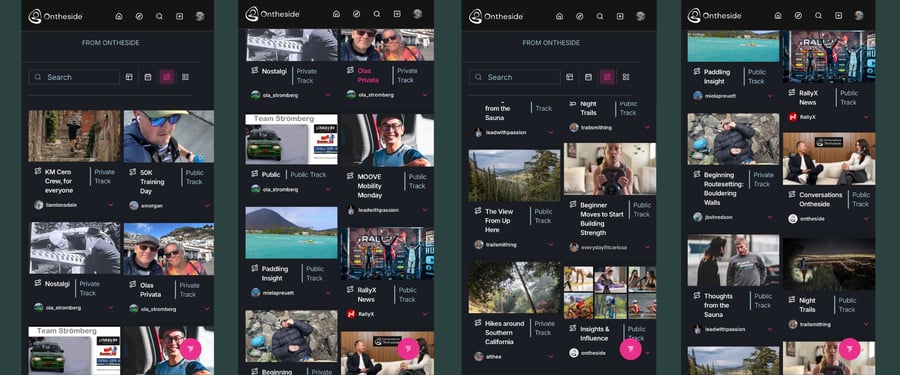

Creators, fans, and brands are choosing authenticity and connection in a time of algorithm fatigue
Content fatigue is real. If you’ve felt it lately, you’re not alone. Many of us find ourselves scrolling through repetitive, low-value content, and the rise of AI-generated “slop” has only made it noisier. Creators, fans, and brands are pushing back, and some content outlets are starting to optimize for more meaningful content experiences.
The Rise of Low-Quality AI-Generated Material is Compounding the Noise Problem
There’s growing frustration with what The Guardian describes as the “zombie internet,” a cluttered space filled with spammy, repetitive, AI-generated junk that overshadows valuable content. They refer to it as “a wave of AI-generated sludge overrunning the web.” As viewers scroll through their feeds, they’re left to wonder what’s real and genuine, versus more of that AI-generated slop.
Fast Company even labeled “slop” as the defining word of 2025. They’re describing it as content that appears substantial but lacks authenticity, credibility, and human insight. On TikTok specifically, Mashable explains that slop spreads rapidly because platforms often reward quantity over quality. The algorithms play into content as a commodity rather than a craft. This environment has led many to crave relevancy and realness. As Forbes puts it, “imperfect is the new perfect.” More and more audiences are drawn to human, relatable, and honest content that inspires them to engage.
Creators Are “Over” Chasing Algorithms
Creators have been trained to chase the algorithm, but too many know how unpredictable and exhausting that game is. Even top creators admit they have no idea why certain posts suddenly go viral or why thoughtful work sometimes gets ignored. Roller derby champion and coach, Thrasher, tells Ontheside "There's been several times a random post blows up but the one I spent hours making informative…no one cares."
When visibility feels that random, creators can find it difficult to stay true to why they are creating in the first place. Building true community can seem impossible. More and more, creators express a desire to build smaller, engaged support communities rather than large, irrelevant follower counts.
Fans Are Choosing IRL Energy and Unfiltered Content
Similarly, fans are now turning toward IRL (in real life) content and personal storytelling that feels human. MAD Social Agency writes that audiences favor "unfiltered authenticity” and content that feels “real, raw, and relatable”. Fans want to feel connected, seek representation, and don’t want to feel “marketed to”.
The movement to spend time online more responsibly is gaining momentum. People are tired of sifting through mountains of content to maybe find the one thing they actually find meaningful. Doomscrolling often feels like digging for a needle in a haystack. 
Consumers are increasingly drawn to real people and creators who inspire them to care. And when viewers find those voices, they spend more time there engaging. Some describe this shift as “sobering up.” Baringa survey respondents prefer “human-created” content over “technology-created” content. Content that reflects the originality and credibility of creators’ experiences contributes to what these consumers value and how they personally connect.
Brands Are Responding
Brands are recognizing that tech-generated content and AI slop are cluttering feeds, contributing to digital fatigue, and making relevant connections harder to come by. Many companies are responding by rethinking how they connect with audiences, even leaning into real experiences and in-person events.
“In the face of digital fatigue, a brand has to drive connection to the customers, and AI is accelerating the need for experiential touch points for community orientation, for customer voices and influencer voices to be amplified.”
— Kimberly Storin, Chief Marketing Officer at Zoom
This shift rings true particularly for brands in the sports and lifestyle space. These brands are looking beyond big follower counts for athletes whose influence is based on representation and authentic sports experiences. As MOGL explains, athlete nano- and micro-influencers often have tighter-knit communities with greater trust that drives real impact.
Community-oriented brands want creators who understand their mission, align with their values, and can communicate that shared purpose to build emotional connection with audiences. Many brands are moving away from massive influencer campaigns to partner with smaller, credible creators who inspire community trust. One of the biggest challenges facing these brands, however, is how to find the right creators with the right audiences. In a sea of algorithm-driven feeds, some of the most credible creator candidates have little to no chance of discovery.
Why Content that Connects Matters
The shift away from algorithmic and AI noise isn’t just a content trend—it’s a cultural recalibration of how we value time spent as creators and consumers. Creators are prioritizing purpose over performance metrics. Audiences are choosing authenticity and are welcoming imperfections as reflections of shared human experience. Brands are responding to these signals by looking for creators whose voices align with their values and who have loyal, relevant audiences.
In a digital landscape saturated with tech-created output, content that reflects lived experience and imperfect perspective carries new weight. The future of creator influence will belong to those whose content makes us feel human, and reminds us we’re not alone.